Constructing a landing page for conversion
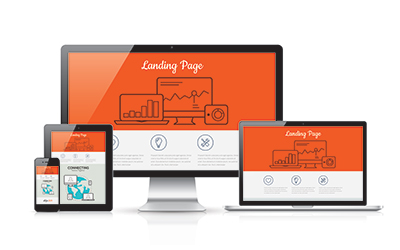 Regardless of how impactful the messaging within your digital marketing campaign is, if your leads don’t have an optimized and user-friendly place to land, you risk losing them. If it’s the first time they are engaging with you, you’ve done the hardest job which is to grab their attention. But the next step is to make sure that experience is consistent when they click on your link so that you can secure their interest and action. Here we cover why it’s important to invest the time it takes to build a solid landing page and ways to optimize it for success.
Why invest in a landing page?
While you have spent a lot of time building and optimizing your school’s website and it may be seen as the primary source of information for your prospects, it’s not always the right place for them to land after they’ve seen one of your ads. Custom landing pages can offer you and future students a simple solution to the specific information they seek and create a gateway to the information-gathering stage. Not only is it helpful to your prospects, but a landing page that routes to your CRM can quickly build your funnel and help you track the ROI of your marketing campaigns. Read more about how to optimize your prospects’ experience with a customized landing page.
How to construct a robust landing page
When you’re creating your landing page, think about it from your prospective student’s perspective. What are the 2-3 key takeaways you want them to know about your program? And what is the action you want them to take? These critical questions can help you in making your information hierarchy user-friendly and your call to action clear and simple. In addition, make sure that you are not overwhelming them – keep it short and sweet and allow them to request information without filing in too many fields (a good balance is a maximum of 3-4). Read more about tactics to ensure a smooth user experience on your landing page.
If you’re looking for an agency that is well-versed in digital campaign planning, set-up, tracking, and real-time optimizations, GPRS is your partner. We can help you create a strategy to collect data and track leads so you can fill your funnel with qualified inquiries. Get in touch to start the conversation.

 By now, you’ve heard the buzz about how storytelling can impact your brand. For years, marketers have been using stories to show consumers how a product or service can improve their lives or solve a problem. But it wasn’t until recently that the advent of new social platforms and influencer marketing brought real stories to the forefront. While standard testimonials are one form of conveying outcomes, the true power of storytelling provides a face, a persona, and an authentic connection that people can relate to.
 Financial aid. It’s a critical piece of the admissions process and a key deciding factor for many, if not most, students. Learners today—both undergrads and post-graduate degree seekers—are looking for solid information upfront about the cost of attendance and financing options before they commit to exploring a school. They have less time for complications and a strong desire to chart a path that will lead to accomplishing their goals with less debt.
 Data can be one of your most powerful allies in developing strategies and tracking tactical effectiveness. But many marketers are often intimidated by the concept of making decisions using numbers, statistics, and large amounts of quantitative information. Here are some simple ways to start
  At any given time there are common challenges that many business schools may face. While these are not necessarily new in higher education, when your school is facing them for the first time or is continuing to struggle with low enrollment, shrinking market share, lead generation issues or alignment between marketing and admissions, it can be a challenge to determine where to focus resources. There may be a time when your school needs an outside, objective evaluation and help to navigate meeting your enrollment goals in a continuously shifting market.
 At GPRS, we are continuously tracking trends in both higher education and digital marketing so we can bring our clients the most updated recommendations to help meet their enrollment goals.
 As the beginning of any new year presents itself, we are often faced with setting new goals. While New Year’s resolutions may tend more toward personal aspirations, it may be helpful for your team to revisit your enrollment goals, see how you’re tracking against your objectives, and renew your focus. You may even find that some adjustments are needed to make the next part of your recruiting cycle as productive as possible.
 To fill your funnel with qualified leads, you need both a solid strategy and a way to track performance. Not only will
  As the year winds down, admissions and marketing staff at many schools are busy analyzing funnel activity and determining what’s next. Do you have enough leads? How many applications are started vs. completed? What are your attendance numbers for upcoming events? What needs to be done to ensure you hit your enrollment goals?
 Now more than ever, people are upskilling to keep up with the demands and pressures of the continually evolving economic landscape. To position your school as a partner along your prospects’ career paths, you will need a clearly defined strategy with multiple touchpoints showing how your program can help develop their talents and skills to succeed in the business world today and in the future.